Opinions
Opinion and analysis from the UK enterprise technology community.
Commentary from technology leaders, CIOs, founders, and analysts writing on cloud, security, data, AI, and the business decisions that shape British enterprise IT.


Featured
-

Britain’s nuclear export opportunity lies in the supply chain
Canada’s nuclear ambitions extend beyond electricity. British firms should investigate exportable inspection, simulation and engineering capabilities, while making each first contract stand on its own economics.
6 min read -
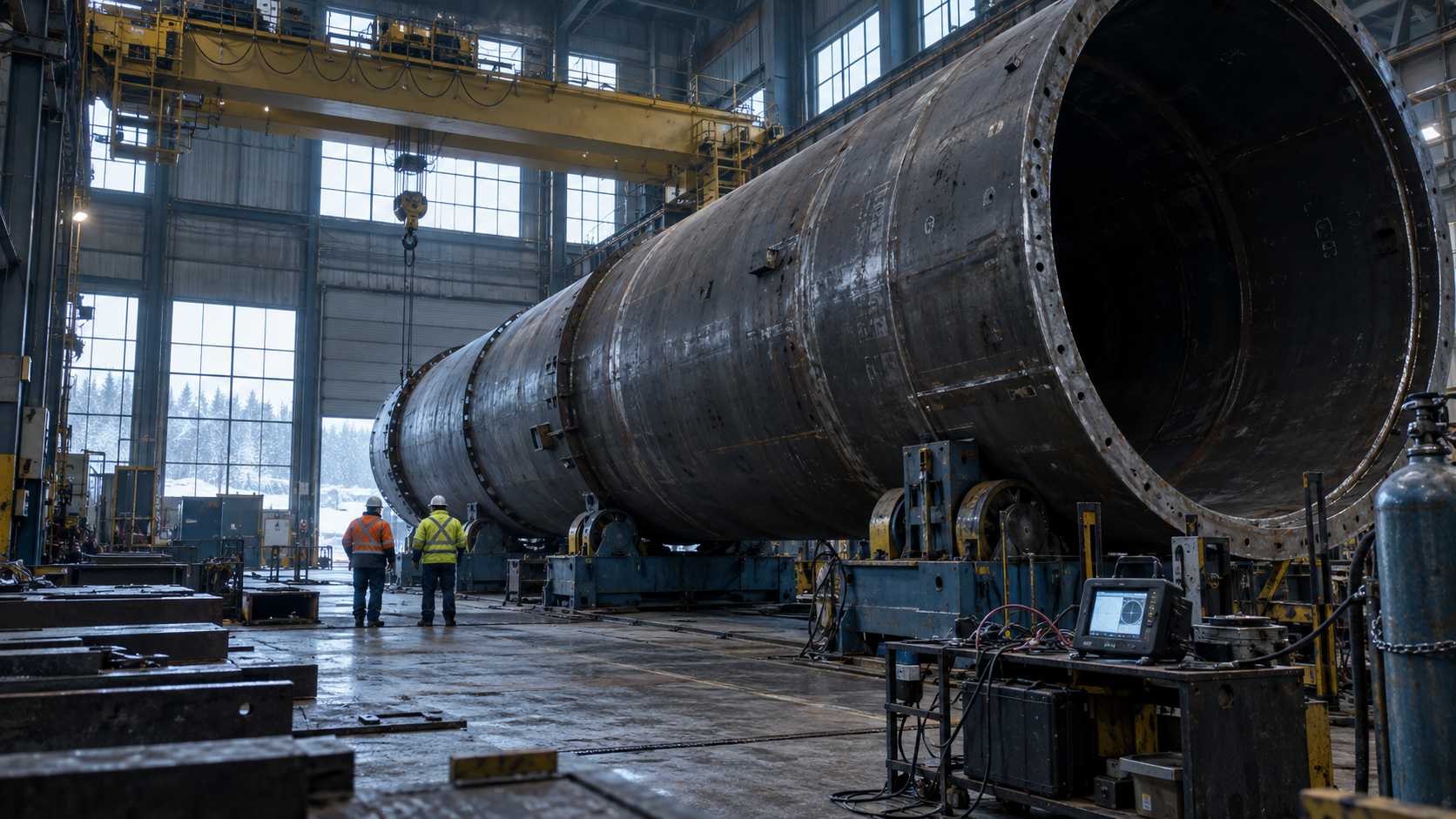
Nuclear needs a manufacturing business model
Darlington offers a test of nuclear manufacturing economics. British technology firms should focus on repeatable processes and component records, while asking whether later reactors really cost less.
6 min read -
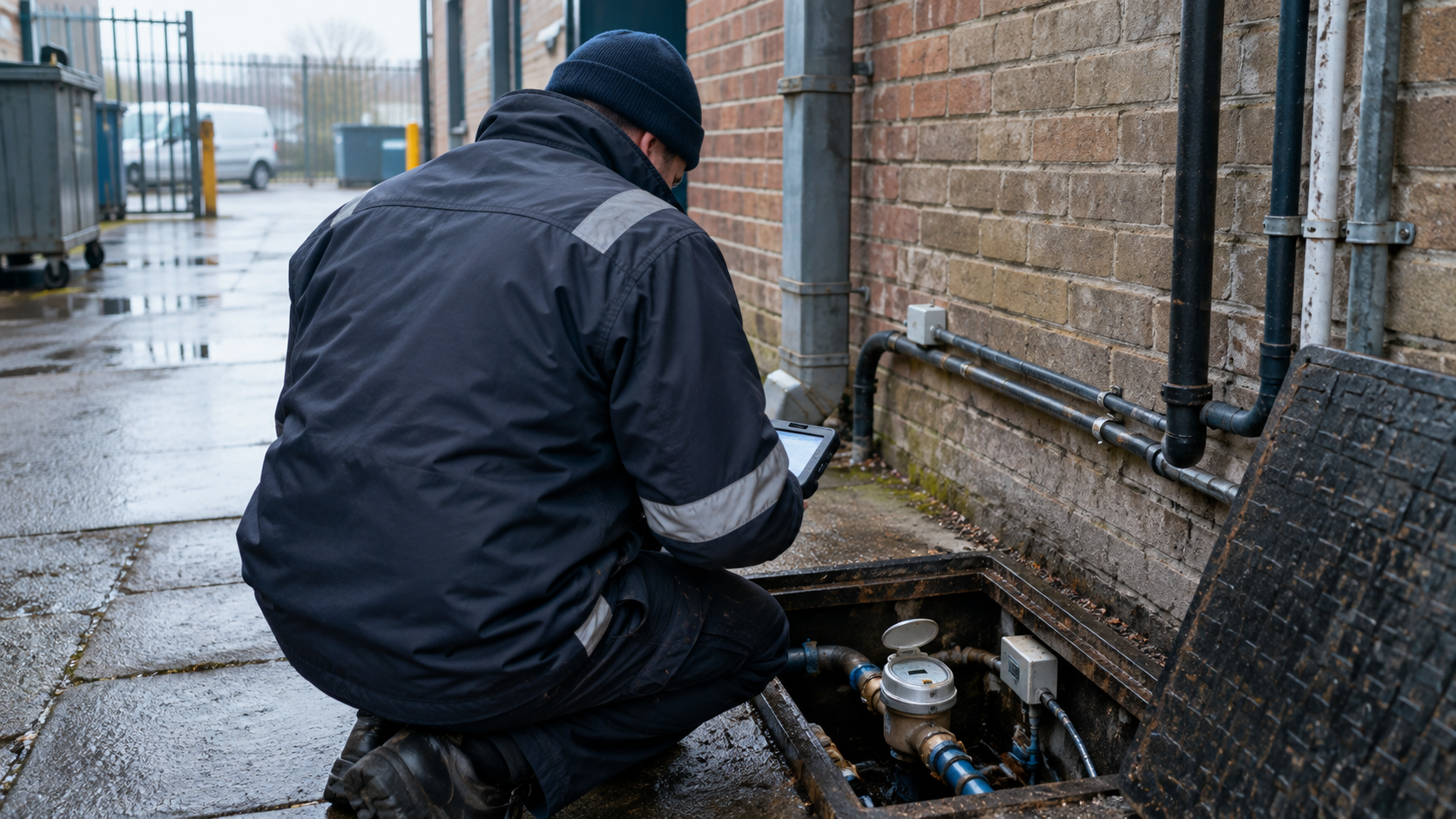
Britain should manage water meters as connected infrastructure
Smart water meters should become operational infrastructure for British businesses. The opportunity lies in connecting readings to maintenance, with dependable data and someone accountable for acting.
7 min read
More from the archive
View all 4,257 pieces →This year
-
Britain’s SMR opportunity is in repeatable delivery
Canada’s Darlington project turns the SMR debate towards construction. British engineering and software firms should compete on repeatable, documented delivery, without treating a planned fleet as guaranteed orders.
-
The best business software may make government websites invisible
Business software could take routine government administration out of the working day. Estonia's Aruait project shows why that future depends on bounded authority, verifiable outcomes and a route back to a human.
-
Britain’s next robot fleets could belong to hospitals and campuses
British hospitals and campuses could become major buyers of shared service robot fleets. Singapore offers a model worth examining, but the business case depends on building integration, human support and clear accountability.
-
Britain should check an AI agent’s authority before trusting it
Estonia is developing identity and trust infrastructure for autonomous agents. British firms should turn that experiment into practical procurement tests, while resisting the idea that registration guarantees sound decisions.
-
British businesses need AI identities with limits
British companies should require every autonomous agent to carry a bounded mandate. Estonia's Aruait project shows why identity, delegated authority and a tested stop mechanism belong in the same buying decision.
-
Britain’s next delivery robot may look more like a tiny van
The next useful delivery robot could resemble a tiny van. Japan’s roadmap gives British logistics firms a reason to examine consolidated loads, depot access and dispatch software, while demanding proof that bigger vehicles improve the complete service.
Earlier
-
Britain should build care robots for an ageing world
-
British facilities teams should prepare for more pilots
-
The future care worker may supervise a digital ward as well as a physical one
-
The biggest robot market in Britain may emerge in care rather than factories
-
Ageing could make assistive robotics a mainstream home technology
-
A care home could soon need an IT operations model closer to a small hospital
-
Britain should build the businesses that service spacecraft
-
Britain’s last mile should split between robots and people
-
A city digital twin could become as basic to urban planning as a map
-
British cities should buy APIs alongside roads and buildings