For most of the past decade, predictive maintenance in the power sector meant expensive pilots and data science teams working in isolation from operations. That picture is shifting. A new GlobalData report, Strategic Intelligence: Predictive Maintenance in Power (2026), finds that utilities including Ørsted, Florida Power & Light, National Grid, Duke Energy, and Southern California Edison are combining high-frequency sensor data, inspection imagery, and operational history to detect asset deterioration before it escalates into forced outages.
The underlying logic is straightforward but the economic pressures behind it have sharpened considerably. Distributed wind and solar fleets make each unplanned outage costlier, both financially and in grid stability terms, because there is less slack in the system to absorb the failure. Meanwhile, carbon pricing mechanisms are translating equipment degradation — fouling, seal leakage, blade wear, insulation aging — directly into recurring CO₂ charges, because degraded assets consume more fuel per megawatt-hour and trigger more emissions-intensive backup generation when they trip.
Rehaan Shiledar, Power Analyst at GlobalData, points to energy tracking as one of the less visible but increasingly important reliability metrics: "Energy tracking is emerging as a critical reliability metric in PdM. This helps to spot performance decline long before equipment trips or fails. By translating technical condition signals into expected energy loss under forecast demand, weather, and dispatch, it sharpens maintenance prioritization around risk-to-deliver and real economic impact, particularly where revenues and downtime costs vary by market conditions and time."
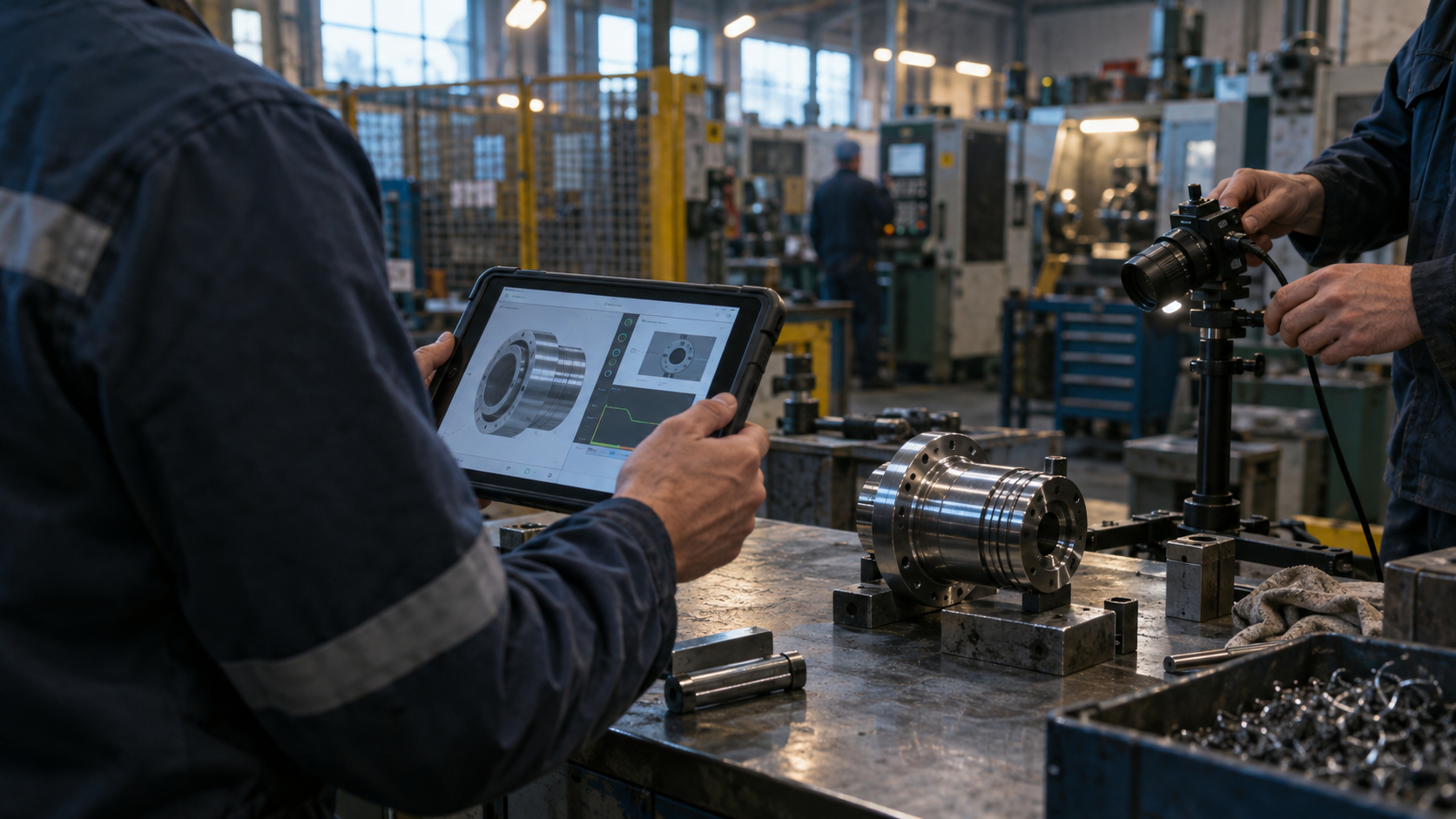
At the more capital-intensive end of the technology stack, digital twins and augmented reality are moving into joint deployment. GE Vernova uses digital twins for large-scale turbines and boilers combined with AR-guided wearable devices for field technicians. Siemens applies a similar combination across its value chain. Shiledar describes the pairing: "Digital twin technology and augmented reality (AR) are increasingly being deployed in tandem, forming a powerful, complementary combination that brings real-time intelligence. A digital twin delivers a continuously synchronized virtual representation of a physical object, enriched by live data streams often rendered as a high-fidelity 3D model. AR, by contrast, serves as the intuitive visualization layer, projecting the digital twin's context-aware information such as asset status, diagnostics, and guided procedures directly onto the physical environment."
For utilities not yet at that investment level, the practical entry point is cheaper than it was. IIoT sensors, edge computing, and condition-monitoring analytics have dropped in cost and complexity enough that condition monitoring is becoming a standard operational layer rather than a specialist program. Shiledar notes that safety, regulatory pressure, ESG commitments, and proven ROI are now converging to push organizations from isolated pilots toward fleet-wide rollout. The question for many grid operators is no longer whether AI-driven maintenance pays, but how quickly they can move it from the control room into every substation.
To stay across the latest in cloud, AI and enterprise tech analysis from Compare the Cloud, subscribe to our weekly newsletter at https://www.comparethecloud.net/newsletter