
Dell's AI in Action report, published today, surveyed 2,726 UK business decision-makers including 2,013 from SMEs and 713 from large businesses. The headline figures are broadly positive: two-thirds of small businesses expect AI to boost their growth over the next three years, and 56% agree it gives them a competitive edge. The average SME recovers 2.5 hours per employee per week through AI use.
The more interesting signal is in the small cohort achieving significantly better returns. The 7% of SMEs classed as AI front-runners gain more than double the average weekly time per employee. Three characteristics separate them from the rest: leadership that treats AI as a defined priority rather than a general aspiration, specific use cases mapped before tools are deployed, and a culture that actively supports adoption.
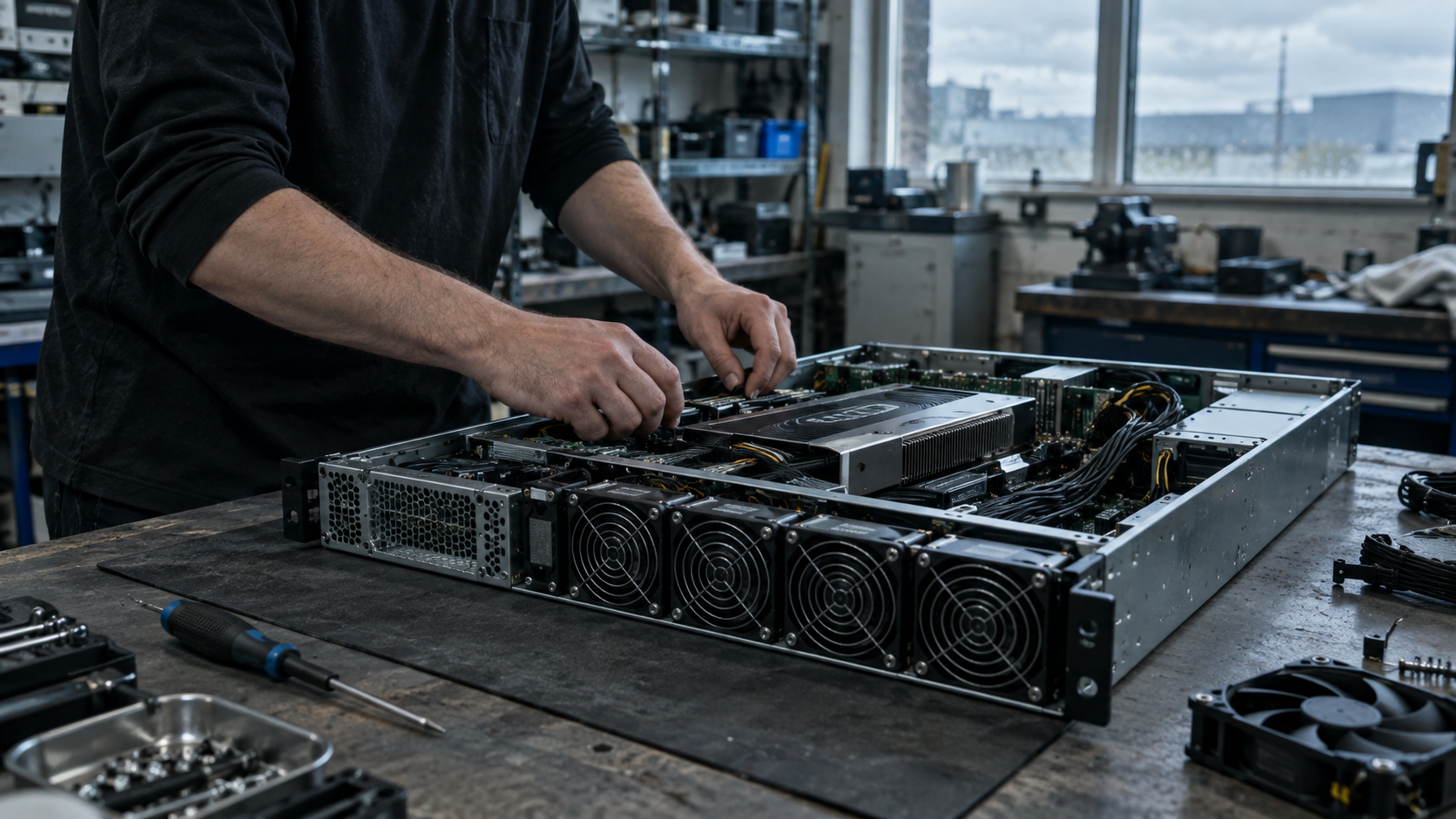
They also tend to run a broader toolkit. More than half use generative AI for content creation (54% versus 30% of SMEs overall). Nearly a third have deployed AI agents (29% versus 12%), and 49% use AI-powered data analysis tools. The use of AI-enabled hardware is also higher among front-runners, with 23% running AI-capable PCs compared with 15% of SMEs overall.
Lisa Ronaldson, UK Senior Sales Director for Medium Business at Dell Technologies, said: "Time gained is an impressive measure, but what really counts is what that additional capacity can enable for business owners and their teams. Most business owners didn't start a company to spend their days wrestling with admin, analysing spreadsheets or writing marketing copy. AI can help take some of that weight away, so people can focus more of their time on customers, expertise and growth."
The research also touches on structural advantages small businesses hold over larger organisations. Most large businesses surveyed (61%) acknowledged that SMEs benefit from greater flexibility when it comes to AI adoption, along with more focused business needs (43%) and a higher appetite for risk (38%). The data bears this out in practice: large businesses are more likely to cite lengthy approval processes (27% vs 12%), team resistance (27% vs 17%), and fear of failure (33% vs 21%) as barriers.
Brian Horsburgh, UK Small Business Country Manager at Dell Technologies, said: "For SMEs, AI success is less about scale and technical maturity and more about applying the right tools to the right business challenges. The businesses seeing the strongest results aren't trying to deploy every new AI tool at once. They're identifying specific problems to solve, building confidence through early wins and gradually broadening what their teams are capable of doing."
The most common advice front-runners offer their peers: start small and iterate, cited by 48%. Front-runners are also more likely than average SMEs to invest in training at the same level as technology (48% vs 32%), a pattern that brings them closer to large-business practice (52%) than to the small-business norm.
To stay across the latest in cloud, AI and enterprise tech analysis from Compare the Cloud, subscribe to our weekly newsletter at https://www.comparethecloud.net/newsletter