
Disaster Recovery as a Service
Cloud DRaaS with rapid failover and recovery
As of 17 October 2026, Compare the Cloud lists 15 disaster recovery as a service providers.
Why choose Disaster Recovery as a Service?
Find partners
Covenco
Covenco delivers data management & IT infrastructure solutions backed by reliable hardware supply and managed IT services across the UK, Europe, and the USA.
Arcserve
It’s been quite a year, 2020. And it isn’t over yet. What with so many natural disasters, like the busiest hurricane season on record and a massive rise in cyberattacks. In fact, DarkReading says
vDesk.works
Switch to vDeskworks disaster recovery solutions and Protect your data with Azure Site Recovery now. Simple, automated protection, disaster recovery as a service DRaaS by vDesk.works with the Microsoft Azure Site Recovery tool. Buy now.
Storage Guardian
Exceptional DRaaS service at Storage Guardian. Offering Veeam Cloud solutions and Dropbox migration for SMBs. Get a detailed estimate now.
A4S Cloud Solutions
Discover how Trent & Dove enhanced their disaster recovery capabilities with A4S Cloud Solutions' DRaaS, using Microsoft Azure Site Recovery for cost-effective and reliable protection.
DYOPATH
Disaster recovery as a service powered by Zerto and Veeam with fast recovery times. Protect critical data with secure replication to certified data centers.
Everpure Blog
The release of Pure Protect //DRaaS version 1.1 delivers new features and enhancements designed to fortify your disaster recovery strategy.
DataBank
Protect your business from unexpected downtime with Disaster Recovery as a Service from DataBank. Our experts design and implement customized disaster recovery plans to help you stay up and running.
Crystal Technologies
We fully manage your customized disaster recovery services so you can focus on running your business. Ask us what we can do to prepare you for the worst.
Hul Hub
Learn what disaster recovery as a service (DRaaS) is, how it works, and why cloud-based disaster recovery is essential for modern business continuity.
VMware
Learn about disaster recovery as a service (DRaaS), which allows an organization to perform backups to a third-party cloud.
4TC Services
4TC Services provides managed IT services for businesses, covering hardware, networks, software, phone systems and printers, with support for both Windows and Mac environments. The company offers a managed backup service covering all client data, hosted IT services that are secure and scalable, and disaster recovery aimed at rapid failover without heavy hardware costs. It also builds solutions on the FileMaker platform that run across iPad, iPhone, Windows, Mac and the web. Clients include businesses in photography, joinery, travel goods and logistics.
Bandras 365
Bandras 365 provides cloud backup, Microsoft 365 support, cyber security as a service and disaster recovery as a service to business clients. Its disaster recovery service backs up a client's data and IT infrastructure to a third-party cloud environment, and its firewall as a service controls network access and protects users and data. Bandras 365 also offers infrastructure as a service for clients facing capacity and scaling challenges. Client testimonials quoted by the company cite its support during the Covid-19 pandemic, its work with financial institutions and law firms, and 24/7 support included without a separate charge.
LivBiko
LivBiko provides managed IT support for businesses in London. Services include Microsoft Azure and Microsoft 365 administration covering Exchange Online, SharePoint, Teams, Entra ID and Intune, and Oracle Cloud Infrastructure integration as an authorised Oracle partner. The company delivers hosted virtual desktops over Cisco AnyConnect VPN, and cybersecurity covering endpoint detection and response and email filtering. Disaster recovery services include automated encrypted backups, with recovery time and recovery point objectives defined across cloud, on-premises and hybrid environments. Support is delivered through a helpdesk with SLA-backed response times.
Magicorn Technology
Magicorn Technology builds cloud infrastructure, DevOps pipelines and big data systems for clients from its London office, alongside a second office in Istanbul. The company runs cloud operations under what it calls a zero VMs policy, aiming to reduce management overhead, and builds big data and analytics architectures to handle large data volumes. Its data warehousing and ETL work uses tools including Apache Airflow and AWS Redshift, while its DevOps practice terraforms and containerises client environments to build scalable infrastructure. Magicorn also handles cloud migration with tailored architectures, automated backup and failover for disaster recovery, and cost optimisation work to reduce cloud spend and automate manual processes.
Latest expert opinions

When protecting sensitive data makes it useless – and how to stop that happening
The dilemma is one that many organisations will recognise: the need for realistic data in non-production environments such as software development, testing, AI, and analytics, versus the need to protect real sensitive…

Data residency isn’t the same as data sovereignty
Keeping data within national borders can meet an important requirement, but it does not, on its own, establish who can access that data, how it is protected, or whether it can be moved when circumstances change.

Data is nothing without insights
Whether it’s coming from smart factories or digitally-connected supply chains, data is more accessible than ever before for asset-intensive organisations. A Modern Industrial Strategy is more than just a data revolution.

Your Best Technical Content Is Hidden Where Search Cannot Find It
I must’ve audited close to a hundred sites over the last 20 years, and I always come across the same issues. Landing pages that fail to do their job of giving the reader enough of a reason to buy.

Clean steel will make software a production decision
Sweden’s HYBRIT programme reveals a practical software opportunity in industrial decarbonisation. British firms should focus on reliable scheduling and integration, with savings tested against real operating constraints.
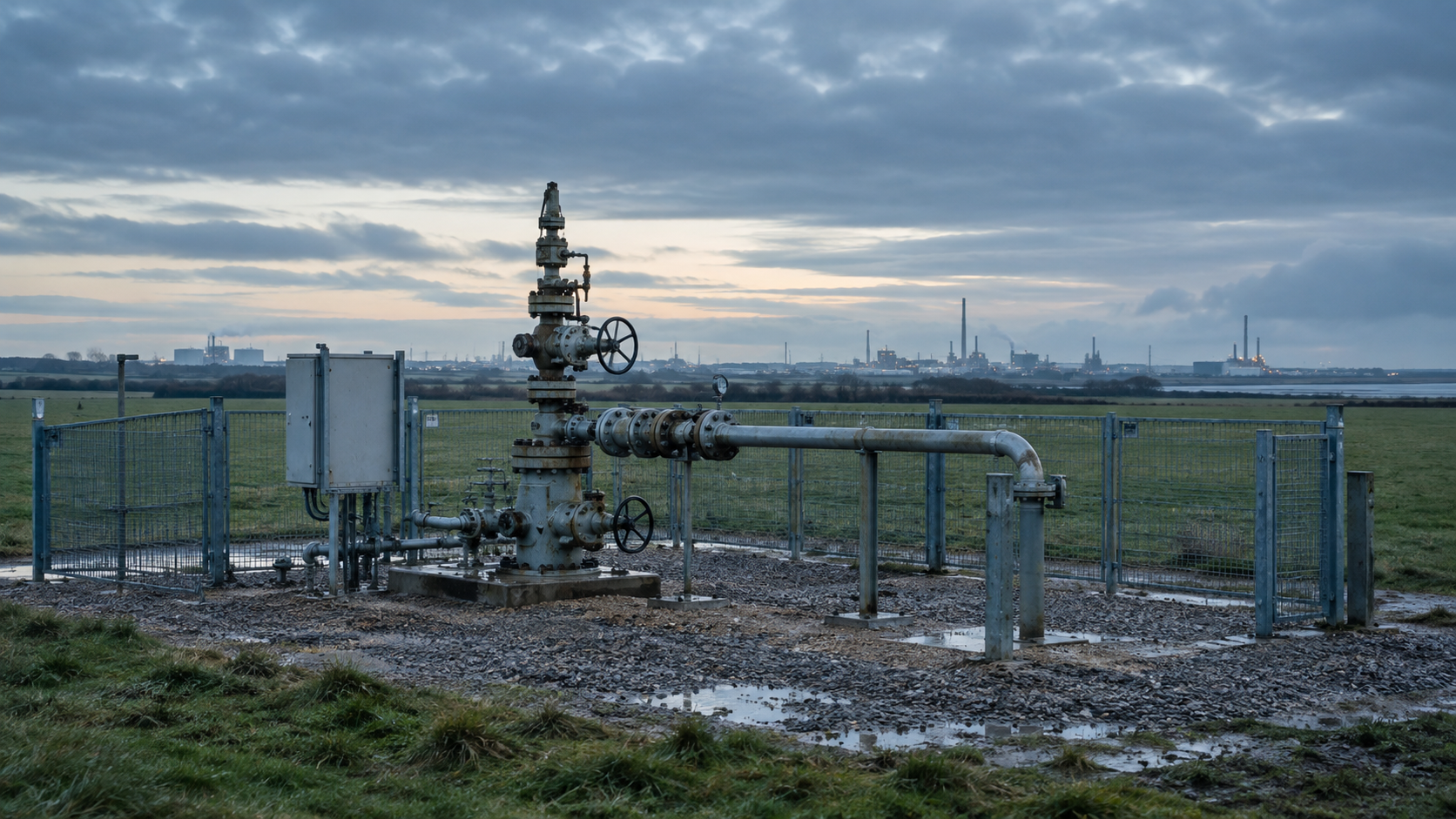
Britain’s next energy asset class could sit hundreds of metres below ground
Britain should develop suitable salt caverns alongside credible hydrogen customers. The opportunity reaches engineering, monitoring and software, but geological potential alone cannot establish a commercial asset.
Are you a Disaster Recovery as a Service provider?
Get listed and reach thousands of potential customers looking for disaster recovery as a service services.