
Why Remote Backup Matters
Let's be honest: nobody gets excited about backups. They're the insurance policy you hope you'll never need. But when a laptop dies, ransomware strikes, or someone accidentally deletes the only copy of your client database, a good backup is worth its weight in gold.
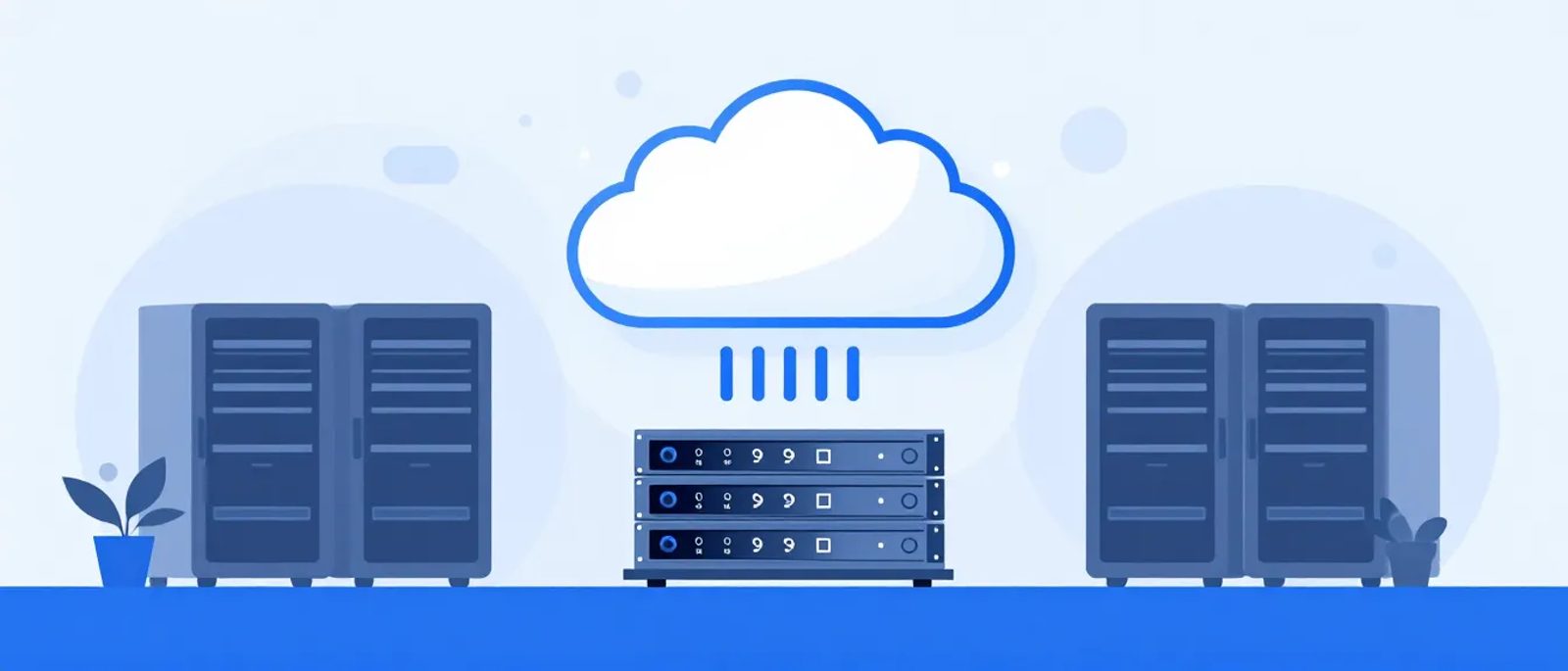
Remote backup—storing copies of your data somewhere other than your office—is now essential. Local backups on an external hard drive are better than nothing, but they won't help if your office floods, burns, or gets burgled.
What Actually Needs Backing Up
Not everything deserves backup space. Focus on data you can't recreate or redownload:
Critical (Back Up Daily)
- Financial records: Accounting software data, invoices, receipts
- Customer information: CRM databases, contact lists, order histories
- Business documents: Contracts, proposals, legal paperwork
- Email: If you use desktop email clients (Outlook with local PST files)
- Specialist software data: Design files, project files, custom databases
Important (Back Up Weekly)
- Staff documents: HR records, policies, procedures
- Marketing materials: Brand assets, photography, finished campaigns
- Website content: If self-hosted, including databases
Don't Bother Backing Up
- Operating systems: You can reinstall Windows or macOS
- Applications: You can redownload them
- Temporary files: Browser caches, downloads you've already processed
- Cloud-native data: If it's in Microsoft 365 or Google Workspace, it's already backed up (mostly—see caveats later)
How Often Should You Back Up?
The golden rule: How much work can you afford to lose?
If losing a day's work would be painful, back up daily. If losing a week's work would be survivable, weekly might suffice. Most small businesses should aim for:
| Data Type | Backup Frequency | Retention |
|---|---|---|
| Accounting data | Daily | 7 years (HMRC requirement) |
| Customer database | Daily | 90 days of versions |
| Active projects | Daily | 30 days of versions |
| Staff documents | Weekly | 1 year |
| Archives | Monthly | Indefinitely |
The Cloud Backup Misconception
Here's where many businesses get caught out: using Microsoft 365 or Google Workspace doesn't mean your data is properly backed up.
Yes, Microsoft and Google have excellent infrastructure. Your data won't disappear because their servers fail. But:
- Deleted items: If someone deletes a file (or a departing employee clears their mailbox), it's gone after the retention period
- Ransomware: If encrypted files sync to the cloud, your "backup" is now encrypted too
- Account compromise: A hacker with your credentials can delete everything
- Human error: The most common cause of data loss, and the cloud won't save you
Solution: Use a dedicated backup service for Microsoft 365 or Google Workspace. Options include Backupify, Spanning, Acronis Cyber Protect, or Veeam Backup for Microsoft 365.
Choosing a Remote Backup Service
For Small Teams (1-10 People)
Backblaze Business - £6/user/month
- Unlimited backup per computer
- Dead simple to set up
- Restores via post (they'll send you a hard drive)
- Caveat: Only backs up computers, not servers or NAS devices
Carbonite Safe - From £6/month
- Automatic, continuous backup
- Good for single computers
- Caveat: Can be slow for large restores
iDrive - From £5/month for 5TB
- Backs up multiple devices to one account
- Includes NAS and external drive backup
- Caveat: Interface is a bit dated
For Growing Teams (10-50 People)
Acronis Cyber Protect - From £4/user/month
- Backup plus antivirus in one
- Full disk imaging (bare-metal restore)
- Microsoft 365 backup included
- Caveat: More complex to manage
Veeam Backup - Pricing varies
- Industry-standard for businesses
- Excellent Microsoft 365 protection
- Caveat: Needs some technical knowledge
Datto - From £15/month per device
- Backup with instant virtualisation
- If your server dies, Datto can run it in the cloud temporarily
- Caveat: Premium pricing
The 3-2-1 Backup Rule (Updated)
The classic rule says:
- 3 copies of your data
- 2 different storage types
- 1 copy offsite
For 2025, add:
- 1 copy offline or immutable (ransomware can't encrypt what it can't reach)
A Practical 3-2-1-1 Setup for Small Business
1. Original data on your computers/server
2. Local backup to a NAS or external drive (quick restores)
3. Cloud backup to Backblaze/Acronis/etc. (disaster recovery)
4. Monthly offline copy to a hard drive stored offsite (ransomware insurance)
The offline copy sounds old-fashioned, but it's your last line of defence. A £80 external hard drive updated monthly could save your business.
Testing Your Backups (The Bit Everyone Skips)
A backup you've never tested is a backup you can't trust. Schedule quarterly restore tests:
Quick Monthly Test (15 minutes)
1. Pick a random file from last week's backup
2. Restore it to a test location
3. Open it and verify it works
4. Log that you tested it
Quarterly Full Test (2-4 hours)
1. Restore a complete folder structure
2. Test a full system restore to a spare machine (or virtual machine)
3. Verify your accounting software data restores correctly
4. Document restore times (you need to know how long recovery takes)
What to Record
- Date of test
- What was restored
- Time taken
- Any issues found
- Who performed the test
Keep these records. They're useful evidence for cyber insurance claims and demonstrate due diligence.
Common Backup Mistakes
Mistake 1 — Backing Up to the Same Building
An external hard drive in your desk drawer won't survive a fire or flood. Get data offsite.
Mistake 2 — Not Encrypting Backups
Backup data is often more valuable than live data (it's more organised). Encrypt backups with a strong password—and store that password somewhere safe.
Mistake 3 — Backing Up Without Versioning
If your backup only keeps the latest version, you can't recover from ransomware (the encrypted files just overwrite the good ones). Keep at least 30 days of versions.
Mistake 4 — Relying on Sync Services
Dropbox, OneDrive, and Google Drive are sync services, not backup services. They're useful, but deletions and corruptions sync everywhere instantly.
Mistake 5 — Never Testing Restores
We've said it before, but it bears repeating. Untested backups are worthless assumptions.
What About GDPR?
Backing up personal data is fine under GDPR—you have a legitimate interest in protecting information. But remember:
- Retention limits apply: Don't keep backups forever if you should be deleting data
- Subject access requests: You may need to search backups for personal data
- Secure deletion: When retention expires, backups need secure disposal too
- Encryption: Personal data in backups should be encrypted
A Simple Backup Policy Template
Every business should have a written backup policy. Here's a starter:
> [Company Name] Backup Policy
>
> Scope: All business data stored on company devices and cloud services
>
> Backup Schedule:
> - Critical data: Daily automatic backup by [time]
> - All data: Weekly full backup by [day]
>
> Retention: 90 days of daily backups, 12 months of monthly backups
>
> Storage: [Cloud provider] with encryption at rest and in transit
>
> Testing: Monthly file restore test, quarterly full restore test
>
> Responsibility: [Name/Role] is responsible for monitoring backup success
>
> Review: This policy is reviewed annually
Getting Started This Week
Day 1: Audit what data you have and where it lives
Day 2: Choose a backup service appropriate for your size
Day 3: Install and configure backup software
Day 4: Run your first backup and verify it completed
Day 5: Test a restore to confirm it works
Week 2: Set up monitoring so you know if backups fail
Month 1: Create your offline backup copy
Ongoing: Monthly quick tests, quarterly full tests
The Bottom Line
Remote backup isn't glamorous, but it's the difference between a bad day and a business-ending disaster. The question isn't whether you can afford to implement proper backups—it's whether you can afford not to.
Start with something simple that runs automatically. A basic cloud backup service for £6/month is infinitely better than the elaborate backup plan you never get around to implementing.
Your future self will thank you.